March 20, 2026
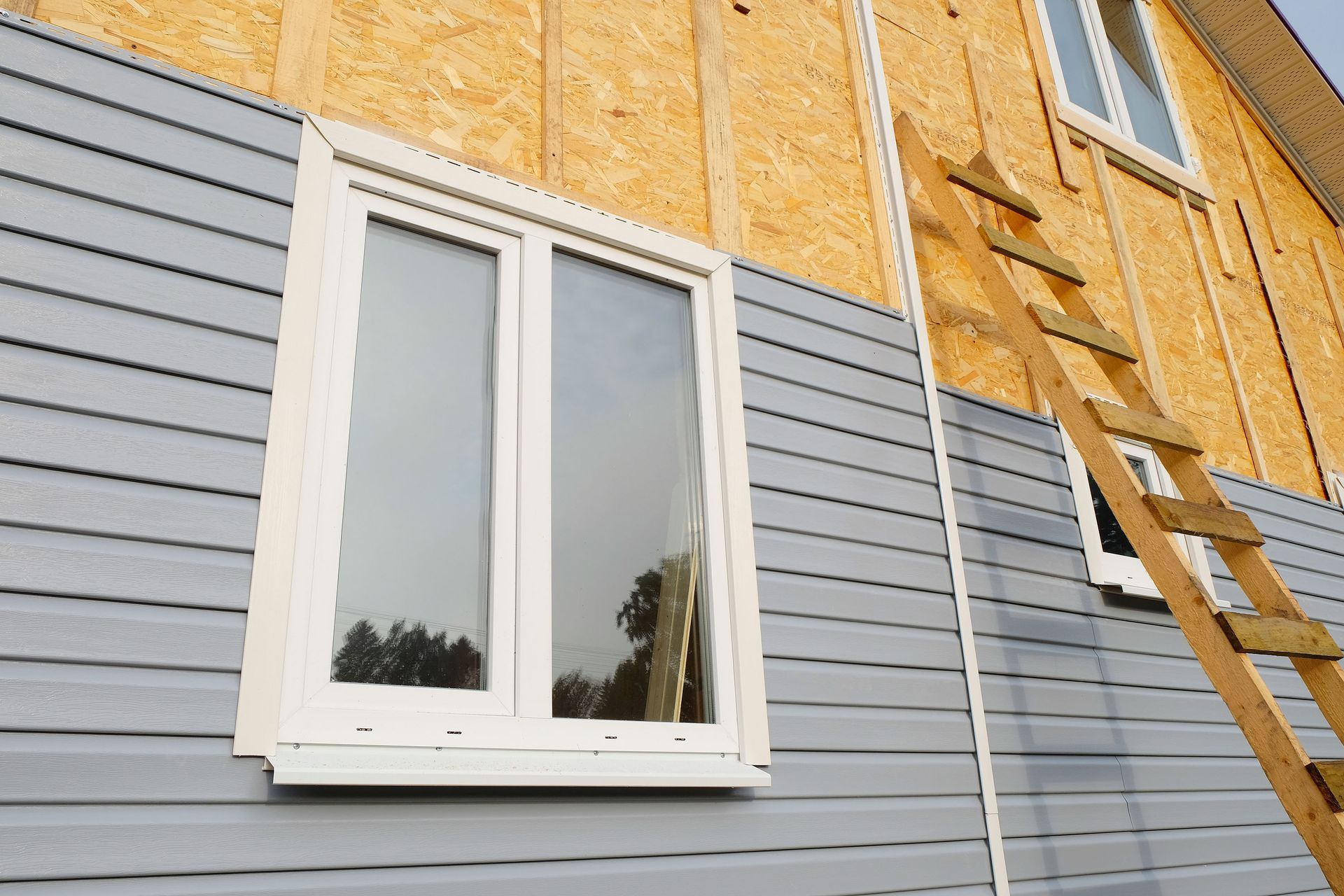
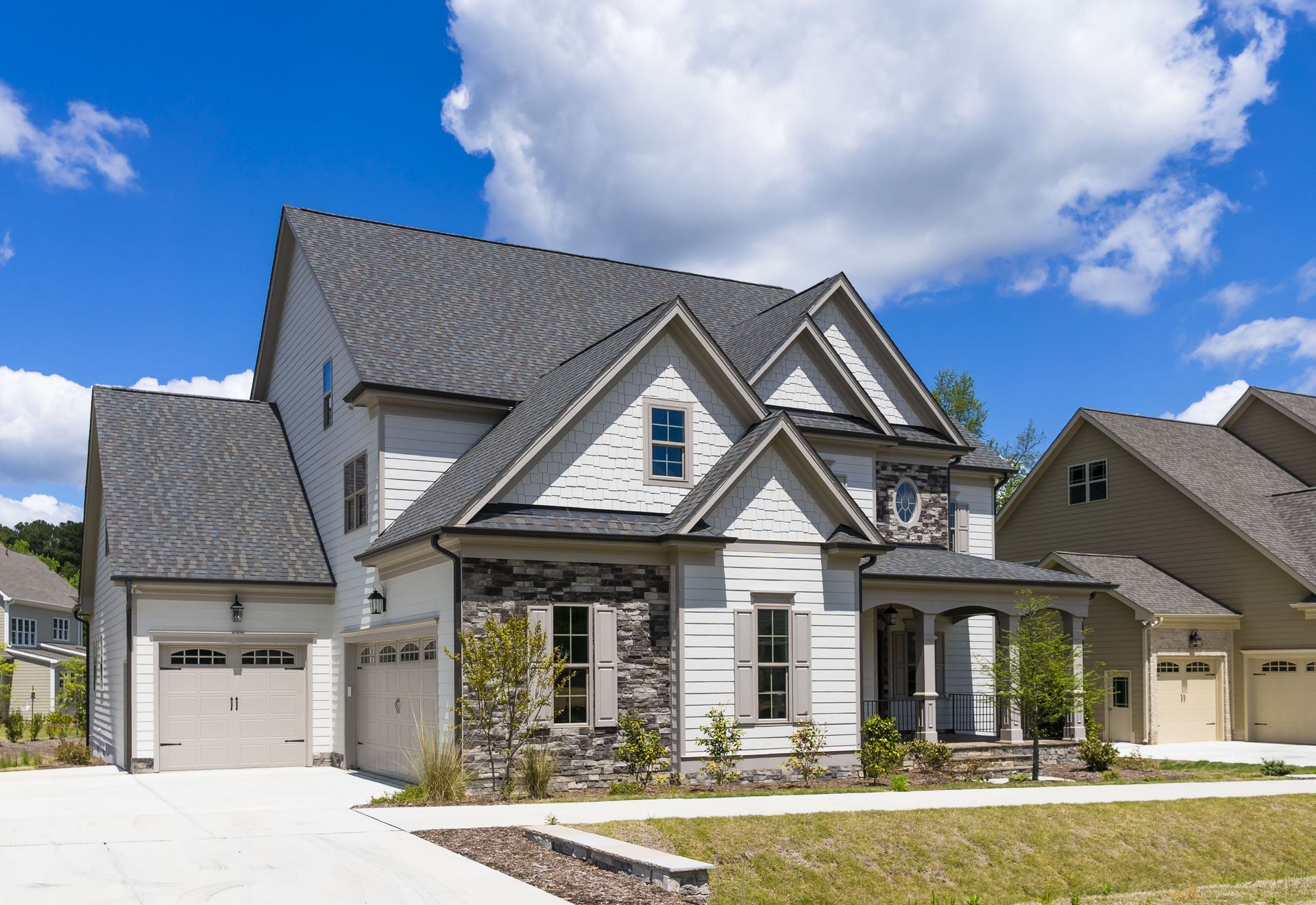
Replacing home siding is a significant home improvement project that can enhance your home's curb appeal, improve energy efficiency, and protect against the elements. Before embarking on this project, it's essential to equip yourself with the right knowledge. This article outlines the crucial aspects of replacing home siding, ensuring a successful and informed renovation process.
1. Understanding Siding Material Options
1.1 Vinyl Siding
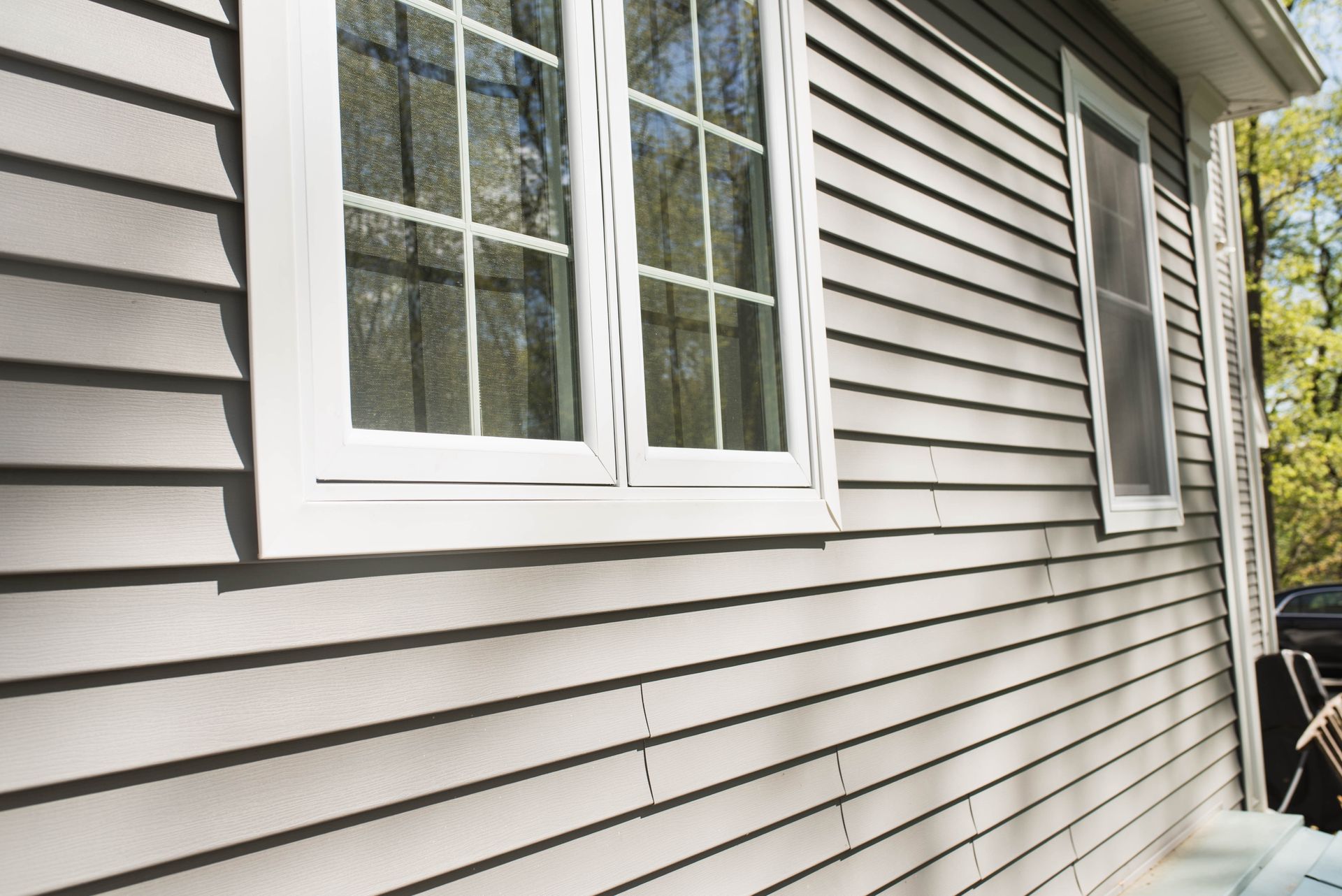
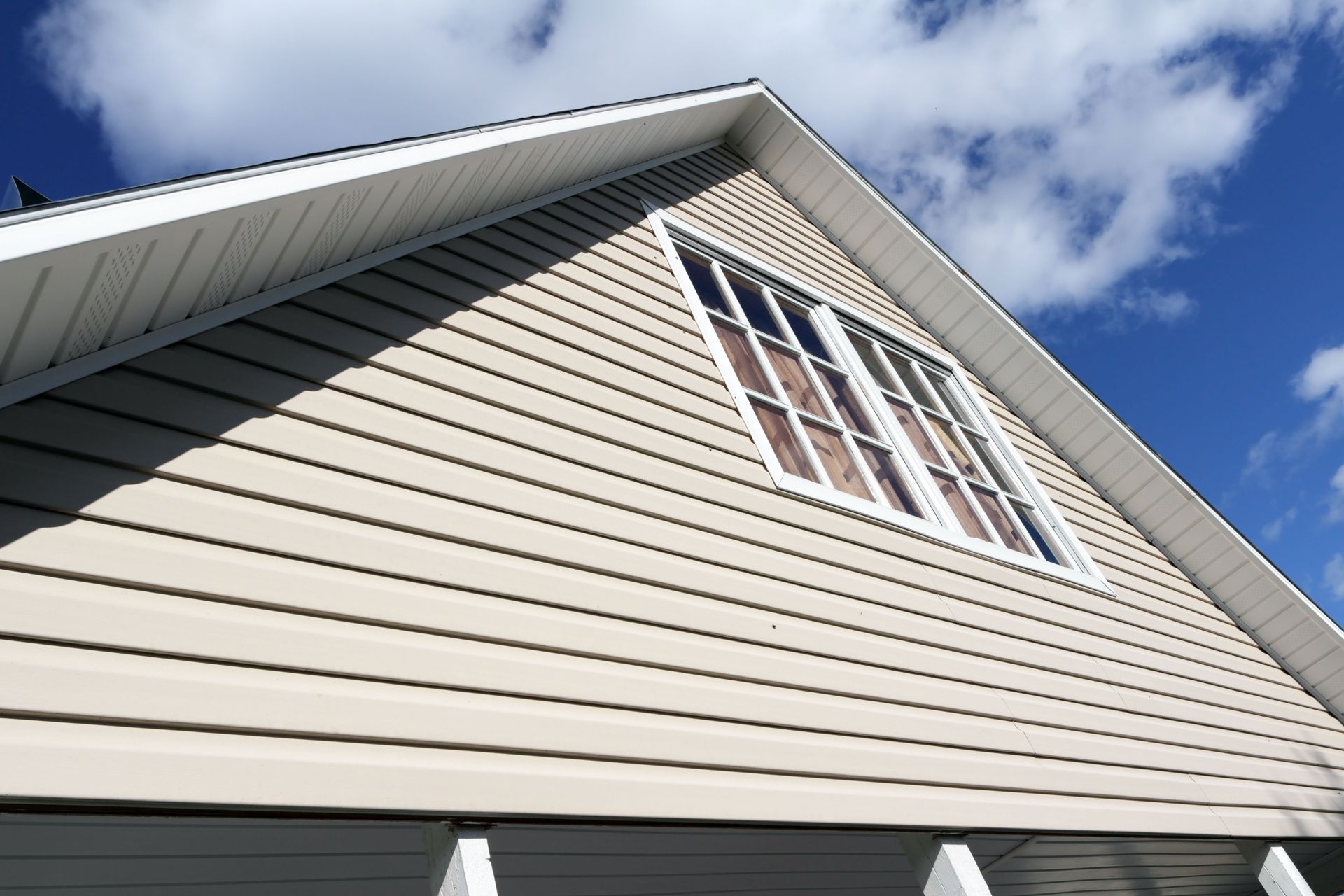
Vinyl siding stands out as an economical choice for many homeowners looking for a balance between cost and appearance. Its durability means it can stand up to harsh weather conditions without requiring frequent repairs or maintenance. Vinyl is also customizable, with a spectrum of colors and finishes available to suit any architectural style.
One of vinyl siding’s most notable features is its energy efficiency, particularly when paired with insulated options. Insulated vinyl can increase your home’s energy efficiency by reducing thermal bridging. This contributes to lower energy bills as your HVAC system doesn’t have to work as hard to maintain indoor temperatures.
Furthermore, vinyl siding is eco-friendly as it can be recycled, reducing its environmental footprint. Homeowners often appreciate that this home siding is quick to install, minimizing labor costs and disruption to their daily routines. For those interested in sustainable home choices, vinyl siding offers a beneficial solution without sacrificing quality or appearance.
1.2 Wood Siding
Wood siding has an undeniable charm and aesthetic quality that many homeowners find appealing. It offers a wide variety of looks, from rustic to refined, depending on the type of wood and finish used. Popular wood choices include cedar and redwood, both known for their durability and resistance to decay.
Though beautiful, wood siding requires more maintenance than other materials. Regular cleaning and treatment are necessary to prevent issues like rot and pest infestation. According to This Old House, homeowners should clean their stucco siding two to three times a year, a practice also beneficial for wood to preserve its integrity.
Energy efficiency is another consideration when choosing wood siding, as it naturally insulates homes better than some synthetic options. However, its higher upfront cost and ongoing maintenance needs can be challenging for budget-conscious homeowners. Despite this, the investment can pay off in terms of aesthetics and property value increases.
1.3 Fiber Cement Siding
Fiber cement siding is highly valued for its durability and ability to mimic other materials like wood or stone. Made from a mixture of cement, sand, and cellulose fibers, it offers the visual appeal of natural wood grains without the associated maintenance issues. This makes it a popular choice for homeowners seeking a low-maintenance yet stylish exterior.
The main advantage of fiber cement siding is its resistance to pests and extreme weather conditions. It does not rot, warp, or attract insects, making it an excellent long-term investment. Moreover, it can withstand high temperatures, making it a fire-resistant choice for homes in wildfire-prone areas.
Despite its benefits, fiber cement home siding can be more expensive than vinyl and requires professional installation due to its weight and composition. The initial cost can be offset by its longevity and improved energy efficiency, thanks to better insulation properties. Many homeowners find the long-term savings and peace of mind worth the initial investment in fiber cement siding.
2. Calculating Costs and Budgeting
2.1 Material Costs
Material cost is a substantial component of the overall expense when replacing home siding. Different materials come with varying price points, influencing the total budget and decision-making process. Vinyl, for example, is generally more affordable than wood or stone, making it a popular choice for budget-conscious homeowners.
Higher-end materials like fiber cement or metal may have a higher initial cost; however, they often justify the expense with durability and lower maintenance needs over time. It’s also important to consider color, texture, and desired aesthetic when budgeting for materials. These factors can significantly affect pricing but offer the desired appearance and functionality.
2.2 Labor and Installation Costs
Labor costs form a significant part of your siding project budget and can vary widely based on your location and project complexity. Skilled labor is crucial for proper installation, ensuring the longevity and performance of your chosen siding material. Cheaper labor may save costs upfront, but can lead to costly repairs or replacements down the line.
It’s advisable to request detailed quotes from multiple contractors to compare costs. These quotes should include an itemized breakdown of all charges, from removal of old siding to installation and finishing touches. A thorough comparison and understanding of contractor rates helps you receive skilled labor at a fair price.
2.3 Additional Expenses (Permits, Tools, etc.)
Permitting fees are often necessary, depending on local regulations, and add another layer of expense to your siding project. Obtaining necessary permits ensures compliance with local codes and can prevent costly fines or mandated modifications. Homeowners should consult with local authorities or contractors to understand permit requirements specific to siding replacements.
Additionally, renting or purchasing tools for a DIY siding project may be necessary, impacting the total expense. Specialized tools may not be readily available in every household, requiring purchase or rental to ensure the project progresses smoothly. For those opting for professional installation, contractors typically include tools in their service fees, but it’s wise to verify to avoid unexpected costs.
3. Evaluating Energy Efficiency and Insulation
3.1 R-Value Ratings
The R-value rating is a critical factor in determining the insulation capability of your home siding. Materials with higher R-values offer better insulation against temperature fluctuations, thereby enhancing energy efficiency. Homeowners should aim for siding options that provide the best possible R-value within their budget and material preferences.
Vinyl or fiber cement siding can achieve relatively high R-values when combined with additional layers of insulation. This combination is particularly beneficial for maintaining consistent indoor temperatures, reducing reliance on heating or cooling systems. Consequently, these materials contribute to energy savings and lower utility bills over time.
3.2 Insulated Siding Options
Insulated siding options offer a compelling solution for homeowners seeking enhanced energy efficiency and improved comfort. These options, often incorporating foam insulation layers, reduce thermal bridging and improve a building's envelope integrity. Insulated siding can dramatically impact energy use, resulting in a noticeable reduction in heating and cooling costs.
Vinyl and fiber cement are popular insulated siding choices, owing to their balance of performance, cost, and aesthetic appeal. They effectively insulate walls, trapping heat during winter and blocking it in summer. This translates into more stable indoor climates and less strain on HVAC systems, leading to energy savings and prolonged equipment lifespan.
3.3 Air Leakage and Weather Resistance
Siding plays a pivotal role in preventing air leakage and enhancing weather resistance, directly affecting energy efficiency and indoor comfort. Properly installed siding minimizes air drafts, contributing to stable indoor temperatures and reduced reliance on HVAC systems. Weather-resistant siding further protects against external elements, sustaining energy efficiency over time.
Materials like fiber cement and metal are particularly adept at minimizing air leakage and withstanding harsh weather. They offer robust resistance to moisture infiltration, critical in maintaining structural integrity and preventing mold growth. Opting for weather-resistant siding materials can safeguard your home from climate impacts while enhancing its durability and lifespan.
Replacing home siding is more than an aesthetic upgrade—it’s an investment in your home’s protection, energy efficiency, and long-term value. Understanding the benefits and maintenance of materials like vinyl, wood, and fiber cement helps homeowners make informed choices. Careful budgeting, attention to labor and material costs, and selecting energy-efficient options ensure the project delivers lasting results. Well-chosen siding enhances curb appeal while strengthening your home against the elements, making it a smart investment for years to come. Contact Beiler Exteriors LLC to learn more about siding preparation and maintenance.