July 18, 2026
Replacing the exterior of your home is one of the most significant investments a homeowner can make, instantly transforming your property's appearance while upgrading its protective shell. Choosing the right residential siding requires balancing aesthetics, budget, and long-term performance. According to the experts at This Old House, updating your home's exterior comes with four major advantages: it provides exceptional durability, incredible design versatility, reliable fire resistance, and long-term cost-effectiveness. Navigating the crowded marketplace of vinyl, wood, fiber cement, and metal can feel overwhelming, but breaking the decision down into key factors ensures you make a choice you will love for decades.
1. Evaluating Material Durability
The primary job of any exterior cladding is to protect your home's framing from moisture, pests, and physical impact. Different materials offer vastly different lifespans, making durability a top priority when shopping for residential siding. Fiber cement, for instance, is famously resistant to rot and insects, easily lasting 30 to 50 years, in our experience. On the other hand, traditional wood looks beautiful but is highly susceptible to moisture damage and wood-boring pests if it isn’t meticulously maintained. Vinyl is highly resilient against minor impacts and moisture, though it can become brittle in extreme cold. Weighing how long you plan to stay in your home against the lifespan of the material will help determine which level of durability makes the most financial sense for your family.
2. Calculating Total Costs
Budgeting for an exterior remodel involves much more than just looking at the price tag on a box of planks. When calculating the financial impact of residential siding, you must factor in the raw material costs, the complexity of the installation labor, and the long-term return on investment. Vinyl remains the most budget-friendly option upfront, both for the material itself and the speed at which it can be installed. Premium materials like engineered wood, natural cedar, or stone veneer require specialized labor and significantly more time to install, driving up initial expenses. However, premium materials often yield a much higher resale value and can yield better energy savings over time. Always request a comprehensive quote that breaks down labor, disposal of old materials, and hidden fees like delivery or specialized permits.
3. Assessing Maintenance Needs
Every homeowner wants a beautiful exterior, but you need to be honest about how much free time you want to spend maintaining it. Assessing maintenance needs is crucial because choosing a demanding residential siding option can lead to unexpected chores or costly upkeep down the road. Natural wood siding is arguably the most demanding, requiring scraping, repainting, or resealing every three to five years to prevent rot. If a low-maintenance lifestyle is your goal, vinyl and metal are highly attractive options, generally requiring nothing more than an annual spray down with a garden hose to remove dirt and mildew. Fiber cement sits comfortably in the middle. We've found that it holds paint beautifully for up to 15 years, requiring far fewer paint cycles than traditional wood.
4. Matching Architectural Styles
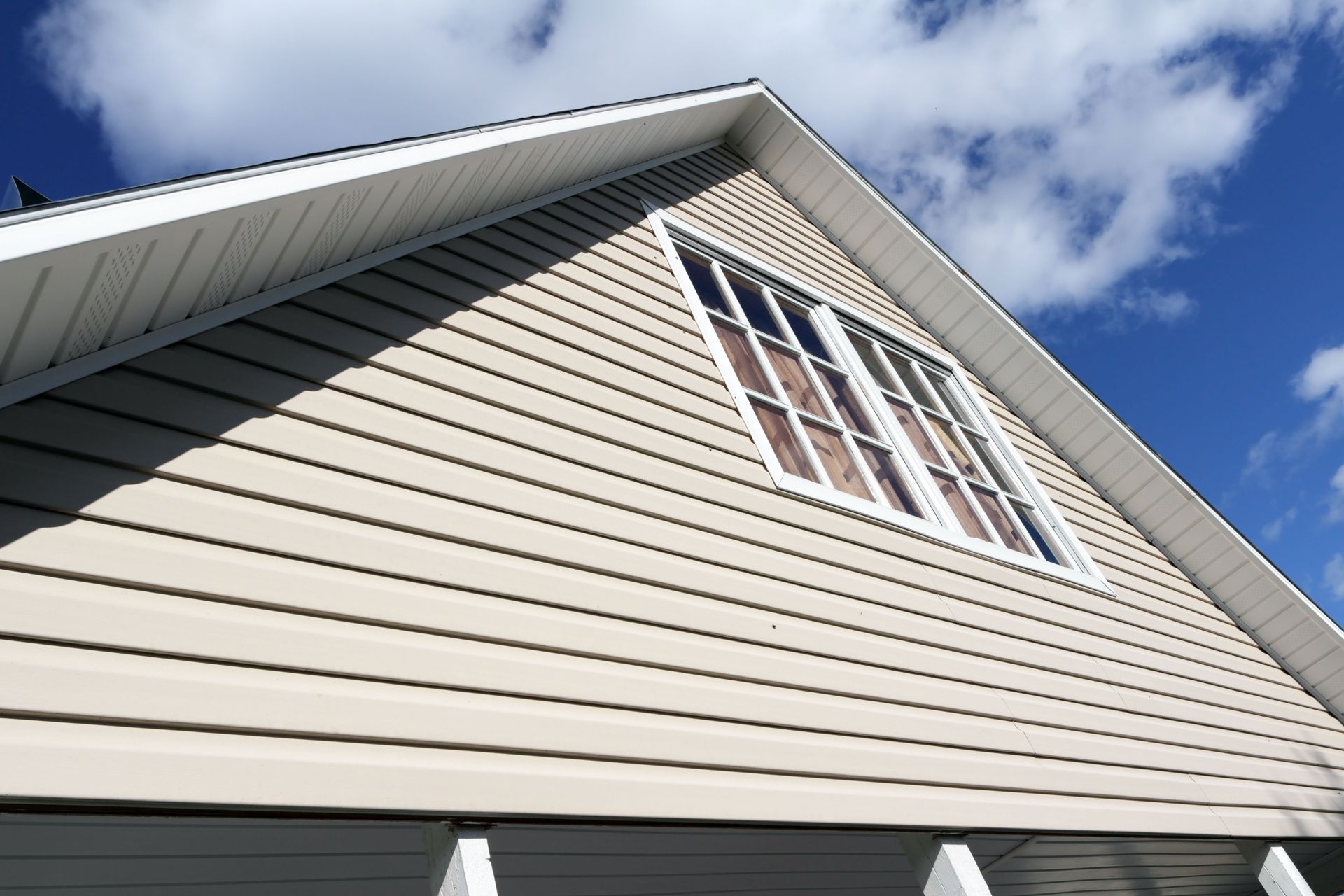
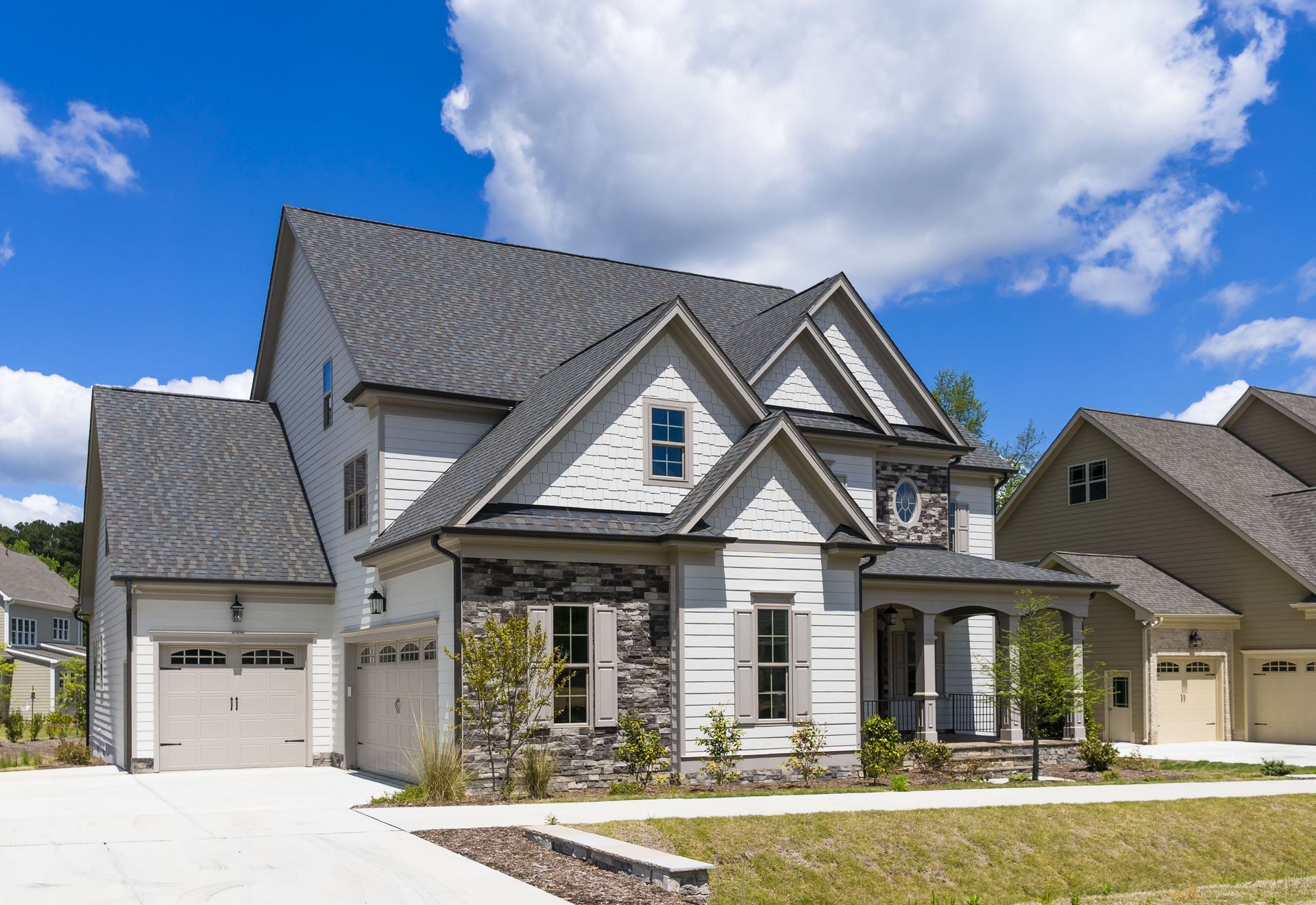
Your home’s exterior should feel like a natural extension of its architectural DNA rather than a mismatched afterthought. Matching architectural styles means selecting a residential siding profile—such as horizontal lap, vertical board-and-batten, or rustic shakes—that complements the era and shape of your home. A classic mid-century modern home looks spectacular with sleek, horizontal aluminum or smooth fiber cement panels. Conversely, a rustic farmhouse or a coastal cottage practically begs for the texture of cedar shingles. Take a walk around your neighborhood to see what looks cohesive, and use visualizer tools online to preview how different textures and colors will interact with your existing roofline, windows, and landscaping.
5. Maximizing Energy Efficiency
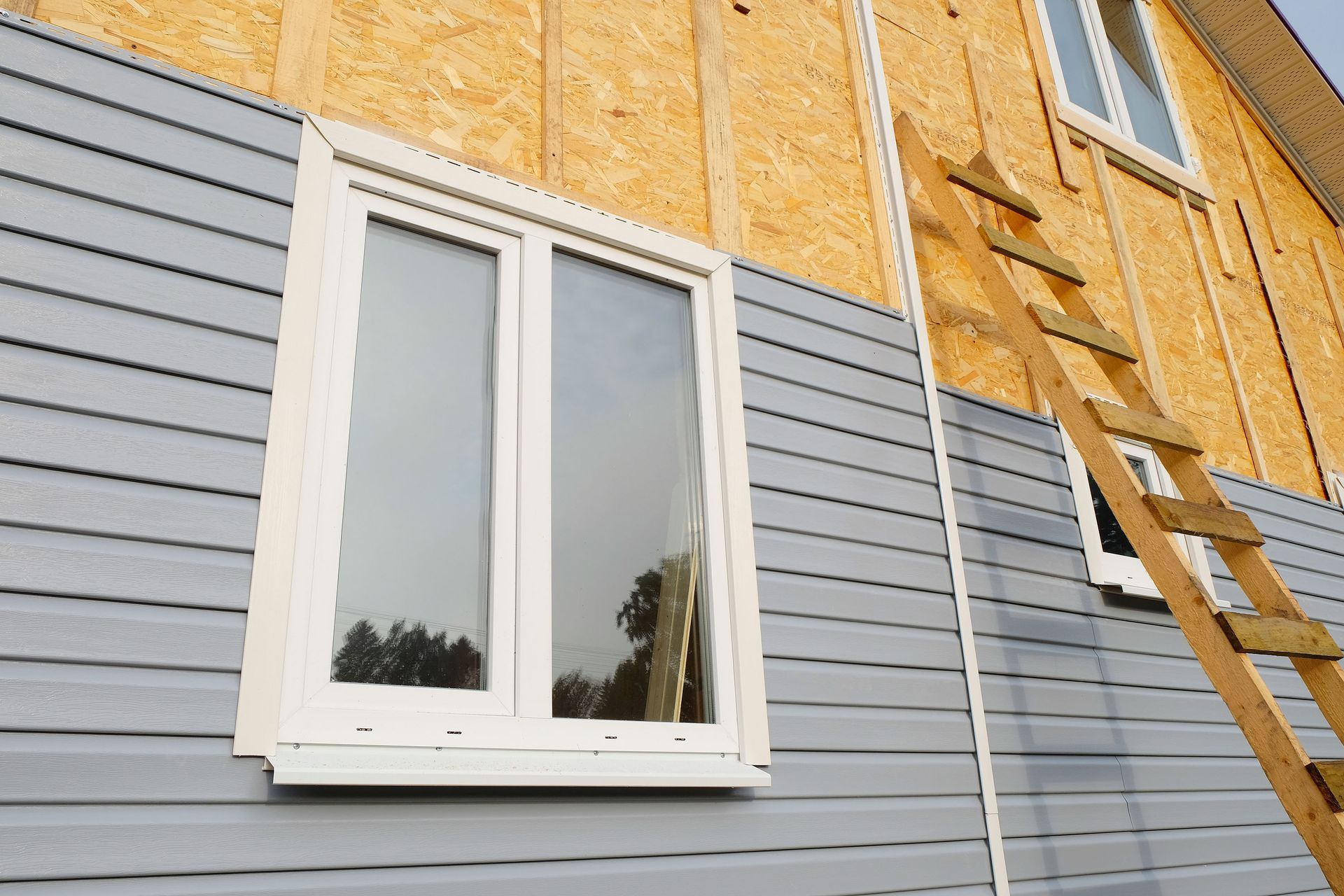
Siding does more than just look pretty on the outside; it plays a quiet, massive role in regulating the temperature on the inside of your walls. Maximizing energy efficiency with your new residential siding is one of the best ways to lower your monthly utility bills and reduce the strain on your HVAC system. Standard siding materials have relatively low insulation values on their own, which is why many homeowners opt for insulated vinyl or add a layer of rigid foam house wrap underneath the new cladding during installation. This extra barrier stops "thermal bridging," a process where heat escapes directly through the wooden studs of your home's frame. Investing in high thermal performance now will pay dividends in comfort during freezing winters and scorching summers.
6. Reviewing Warranty Coverage
A manufacturer’s warranty is a direct reflection of how much confidence a company has in its own product. Reviewing warranty coverage carefully protects you from premature material failures, fading, or unexpected manufacturing defects. When comparing residential siding brands, look closely at the duration of the warranty. More importantly, check whether the warranty is transferable to a future buyer, as this can be a massive selling point if you decide to list your home later. It is equally wise to verify exactly what types of environmental damage are covered, such as specific wind-speed ratings or limits on acceptable color fading over time. Be sure to read the fine print regarding "proration," which means the manufacturer covers less cost as the product gets older, and understand exactly what actions (like DIY installation) could completely void your protection.
7. Analyzing Climate Resilience
The weather patterns in your specific geographic region should heavily dictate the material you choose. Analyzing climate resilience means looking at how a material handles local elements like high humidity, intense UV rays, freezing temperatures, or high winds. If you live in a coastal area with salty air and heavy rainfall, wood will rot quickly, and metal might corrode, making fiber cement or vinyl the smarter choice. For homes located in regions prone to wildfires, prioritizing non-combustible materials like fiber cement or stucco is an absolute necessity for peace of mind. Conversely, if you live in a region with frequent hailstorms, heavy-duty vinyl or thick wood might be preferred over aluminum, which dents easily under impact.
8. Selecting Professional Installers
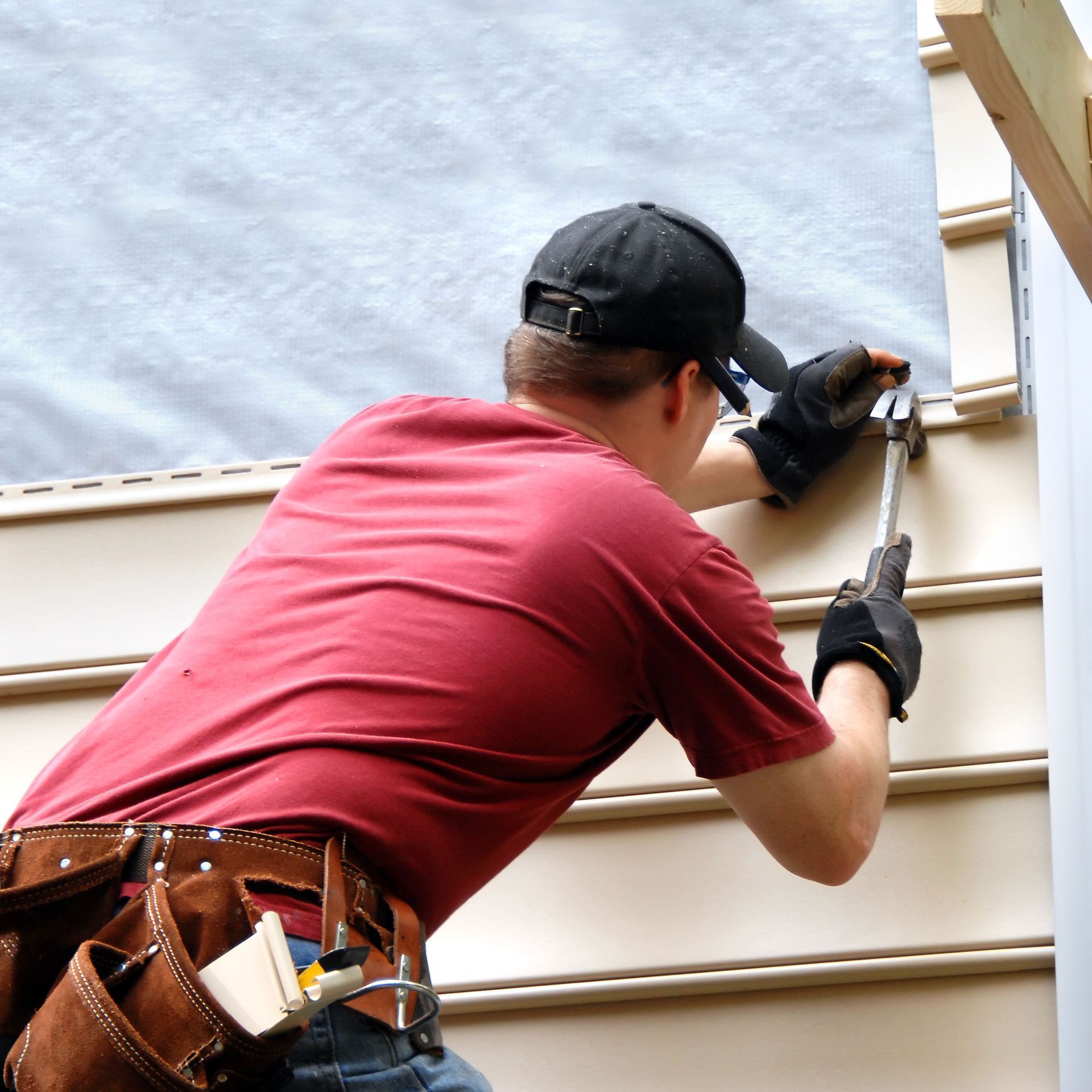
Even the highest-grade material on the market will fail prematurely if it is installed incorrectly. Selecting professional installers who are licensed, insured, and certified by the specific manufacturer ensures your project is completed up to code. Properly installed siding must allow for natural expansion and contraction as temperatures change, and it requires flawless flashing around windows and doors to prevent water from trapping behind the walls. Ask potential contractors for a portfolio of recent local projects, check their ratings with the Better Business Bureau, and confirm they offer a labor warranty on top of the manufacturer’s product warranty. Taking the time to vet your contractor protects your investment and ensures a stress-free remodeling experience.
Upgrading your home's exterior is a multi-faceted decision that blends personal style with practical functionality. By carefully considering durability, long-term maintenance, local weather patterns, and your overall budget, you can select a high-performing residential siding that elevates your home's curb appeal while keeping it safe from the elements. Taking the time to research materials and vet installation professionals guarantees a beautiful, worry-free exterior for decades to come.
Ready to transform your home with a beautiful, durable new exterior? Contact the experienced team at Beiler Exteriors LLC today to schedule your complimentary, no-obligation design consultation. Let our exterior experts guide you to the perfect choice for your style and budget.